Indonesia stretches more than 5,000 kilometres from east to west, and almost all of it is reef. That's the challenge: where do you start? This map shows the fourteen regions divers travel for, with the nearest airport for each, followed by the seasons, the level you need, and how to dive them safely.
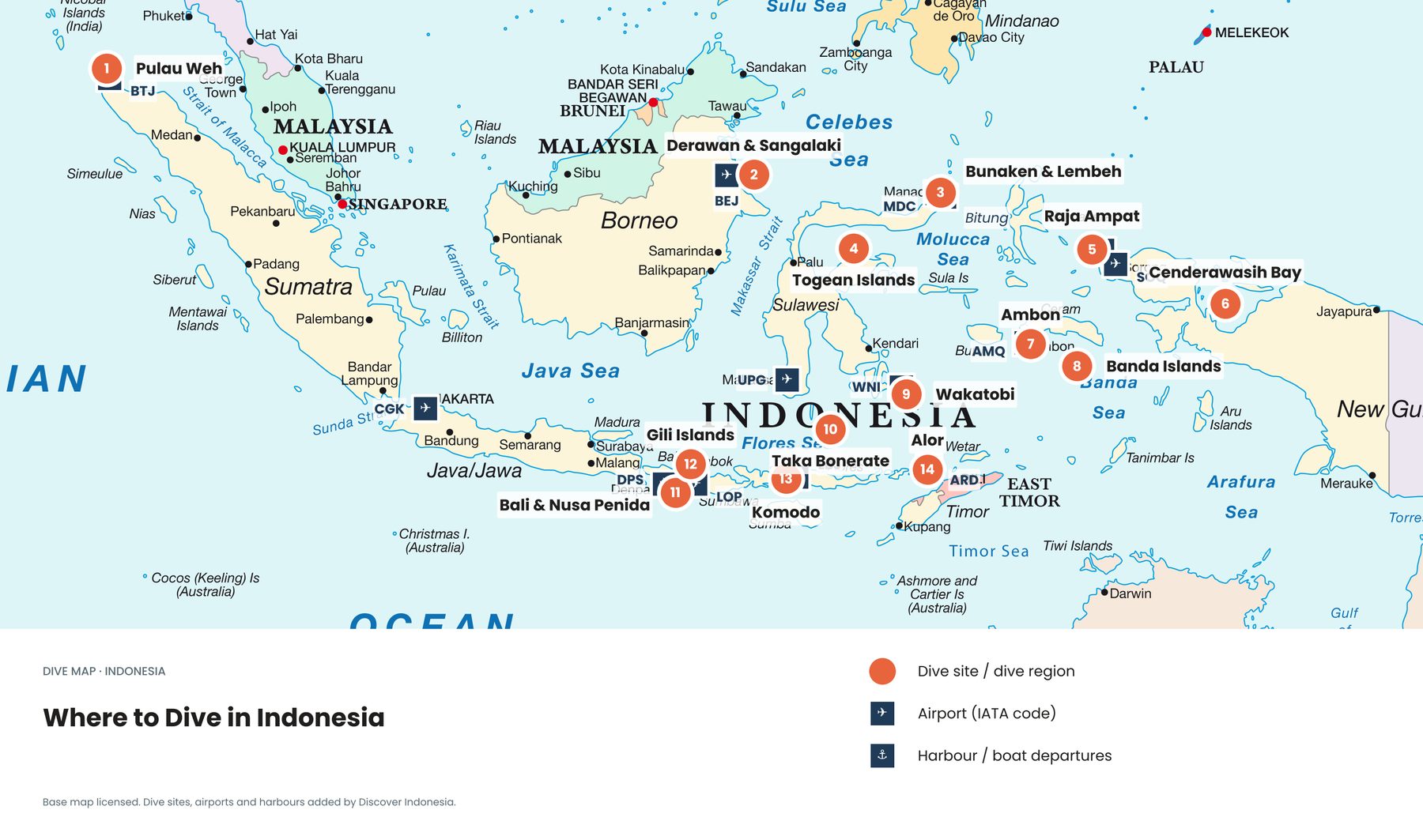
Where is the best diving in Indonesia?
It depends on what you want to see. Raja Ampat has the richest reefs, Komodo the most fish and the strongest currents, Lembeh and Ambon the strangest small creatures, and Bali the easiest mix of wrecks, mantas and beginner sites. Wakatobi, Banda and Alor reward divers who want healthy reefs without crowds. All sit inside or on the edge of the Coral Triangle, home to around 600 reef-building coral species, roughly three quarters of all those known.
The regions, west to east
The list runs west to east, and the numbers match the map; each region links to its own guide where we have one.
- Pulau Weh, SumatraThe northern tip of Indonesia, by ferry from Banda Aceh (BTJ). Walls, big schools of fish and very few other divers, with Indian Ocean seasons.
- Bali & Nusa PenidaThe easiest start, via Denpasar (DPS). The USAT Liberty wreck at Tulamben lies about 40 metres from the beach between about 8 and 30 metres deep. Nusa Penida adds manta rays all year and mola mola in cold, fast water. Read our Bali dive guide →
- Gili IslandsOff Lombok (LOP). Turtles on almost every dive, easy sites and many dive schools.
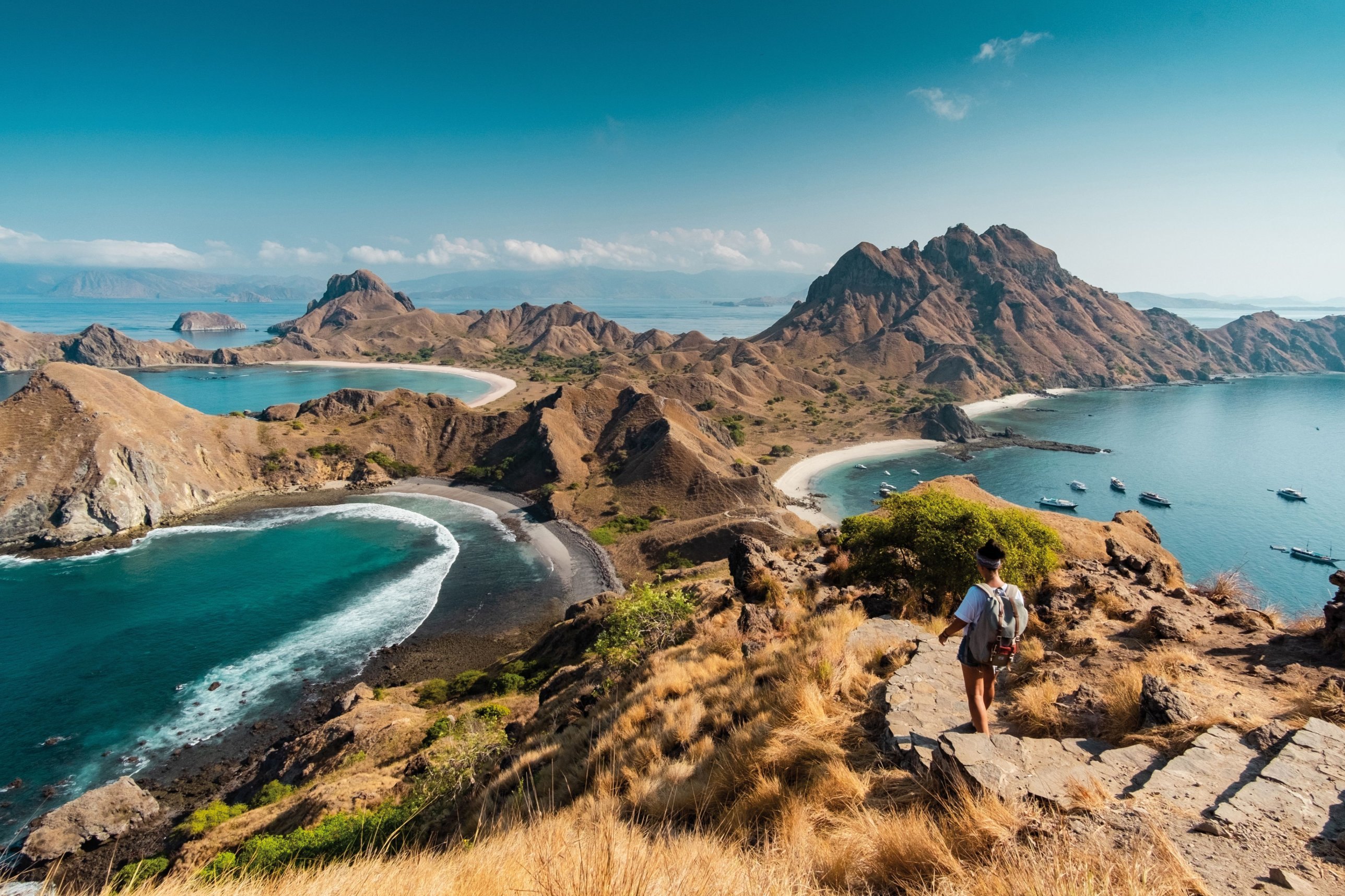
- KomodoVia Labuan Bajo on Flores. Strong currents, manta rays and some of the fishiest reefs in the country. A daily cap of 1,000 park visitors has applied since April 2026. Dive guide →
- AlorFar east of the Lesser Sundas (ARD). Cold, clear water, steep walls and powerful currents. Dive guide →
- Taka BonerateUsually ranked the world's third-largest atoll, mostly reached by liveaboard or by boat from Selayar Island. Dive guide →
- Derawan & Sangalaki, BorneoVia Berau (BEJ). Manta rays, Indonesia's largest green turtle nesting site and Kakaban's lake of stingless jellyfish.
- Togean Islands, SulawesiIn the calm Gulf of Tomini. Hard to reach, which keeps it quiet.
- Bunaken & Lembeh, North SulawesiVia Manado (MDC). Bunaken's vertical walls, and the Lembeh Strait, one of the world's best places for muck diving. Dive guide →
- Wakatobi, Southeast SulawesiA national park with its own airport on Wangi-Wangi (WNI), where surveys have recorded 942 fish species. Dive guide →
- Ambon, MalukuMuck diving in Ambon Bay, with critters to rival Lembeh.
- Banda Islands, MalukuThe historic nutmeg islands. Walls, big fish, and a reef regrown on the lava flow of Gunung Api.
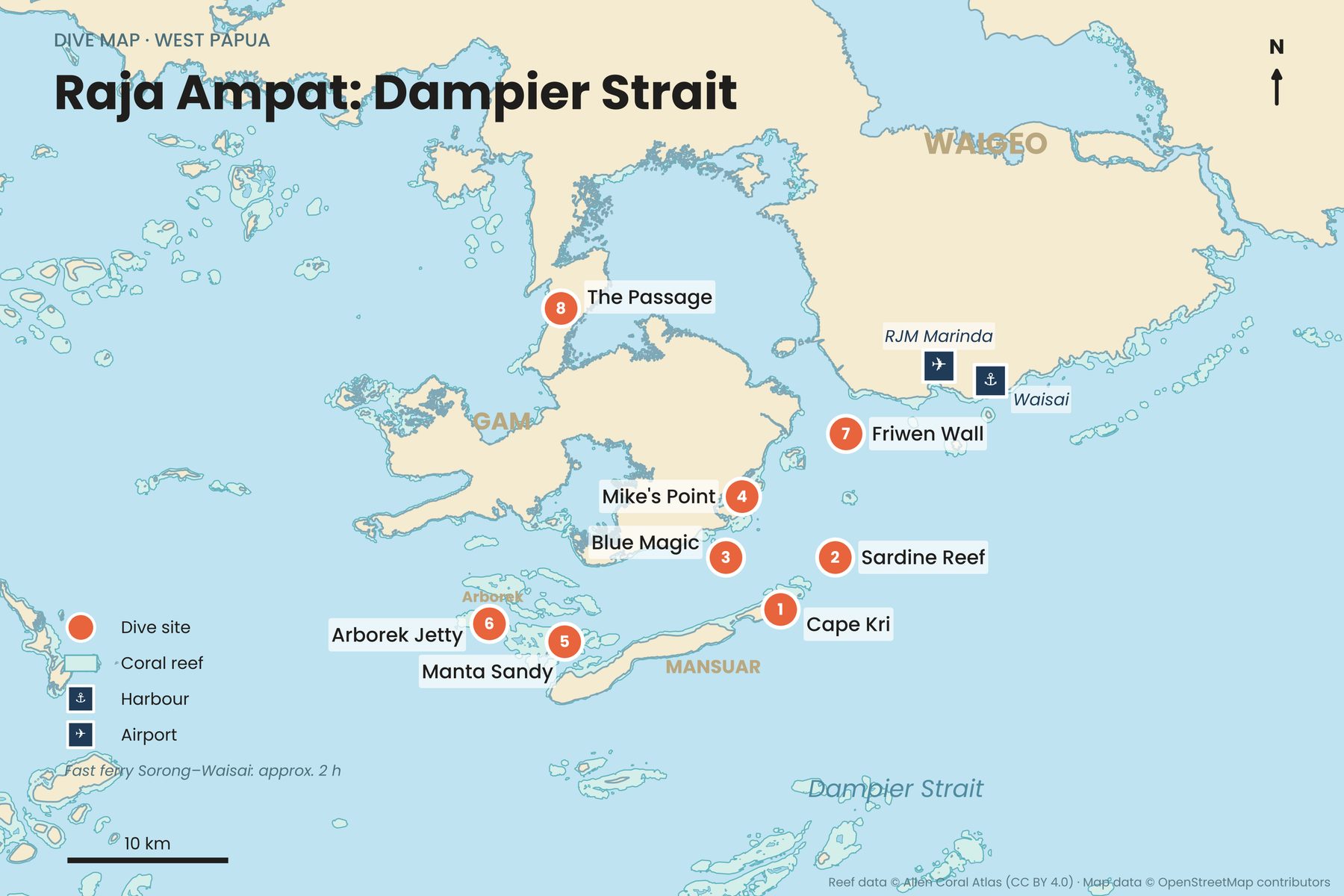
- Raja Ampat, West PapuaVia Sorong. The highest reef fish diversity ever recorded. Dive guide →
- Cenderawasih Bay, PapuaIndonesia's largest marine national park, where whale sharks gather around the fishing platforms called bagans.
When is the best time to dive in Indonesia?
Somewhere in Indonesia is in good condition every month. In the south (Bali, Lombok, Komodo, Alor) the dry season, roughly April to November, usually brings the calmest seas and best visibility. Raja Ampat's main season runs the other way, from about October to April, and North Sulawesi can be dived all year. Monsoon winds decide sea state and boat crossings more than rainfall does.
| Region | Usually best | Notes |
|---|---|---|
| Bali, Nusa Penida, Gilis | Dry season, roughly April to November | Mola mola at Nusa Penida most likely July to October. Mantas year-round. Many sites diveable all year. |
| Komodo | Dry season, roughly April to November | Diveable all year. The dry season on land runs about May to October. The south is cooler than the north. |
| Alor | Dry season | Cold upwellings and strong currents at any time. Ask operators about their season. |
| Taka Bonerate | April to mid-May, October to mid-November | Calmest between the monsoons. West monsoon waves can stop ferries. |
| Bunaken & Lembeh | All year | The windier months bring rougher crossings to Bunaken. Lembeh is sheltered. |
| Raja Ampat | About October to April | When seas are calmer and most liveaboards operate here. |
| Wakatobi, Banda, Ambon | Between the monsoons | Seasons vary by island and by year. Check with local operators. |
| Cenderawasih Bay | Check locally | Whale shark encounters depend on the bagan fishing activity. |
Regional guides: Lesser Sunda Islands · Sulawesi · Papua & Maluku
Why are the currents so strong in Indonesia?
Because the Pacific Ocean drains into the Indian Ocean through Indonesia's narrow straits. Oceanographers call this the Indonesian Throughflow, and it brings nutrients, plankton and big animals, along with currents strong enough to need experience.
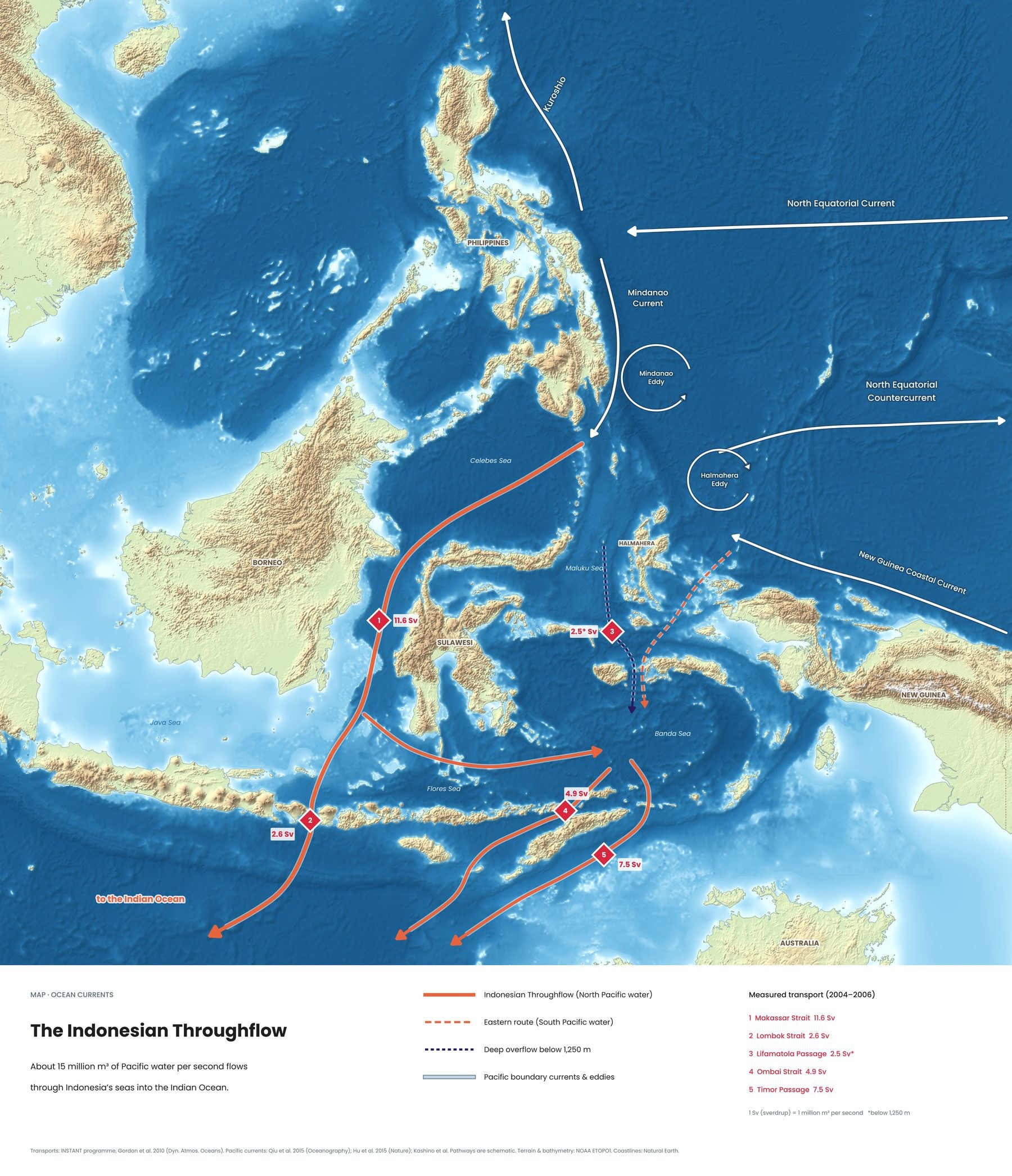
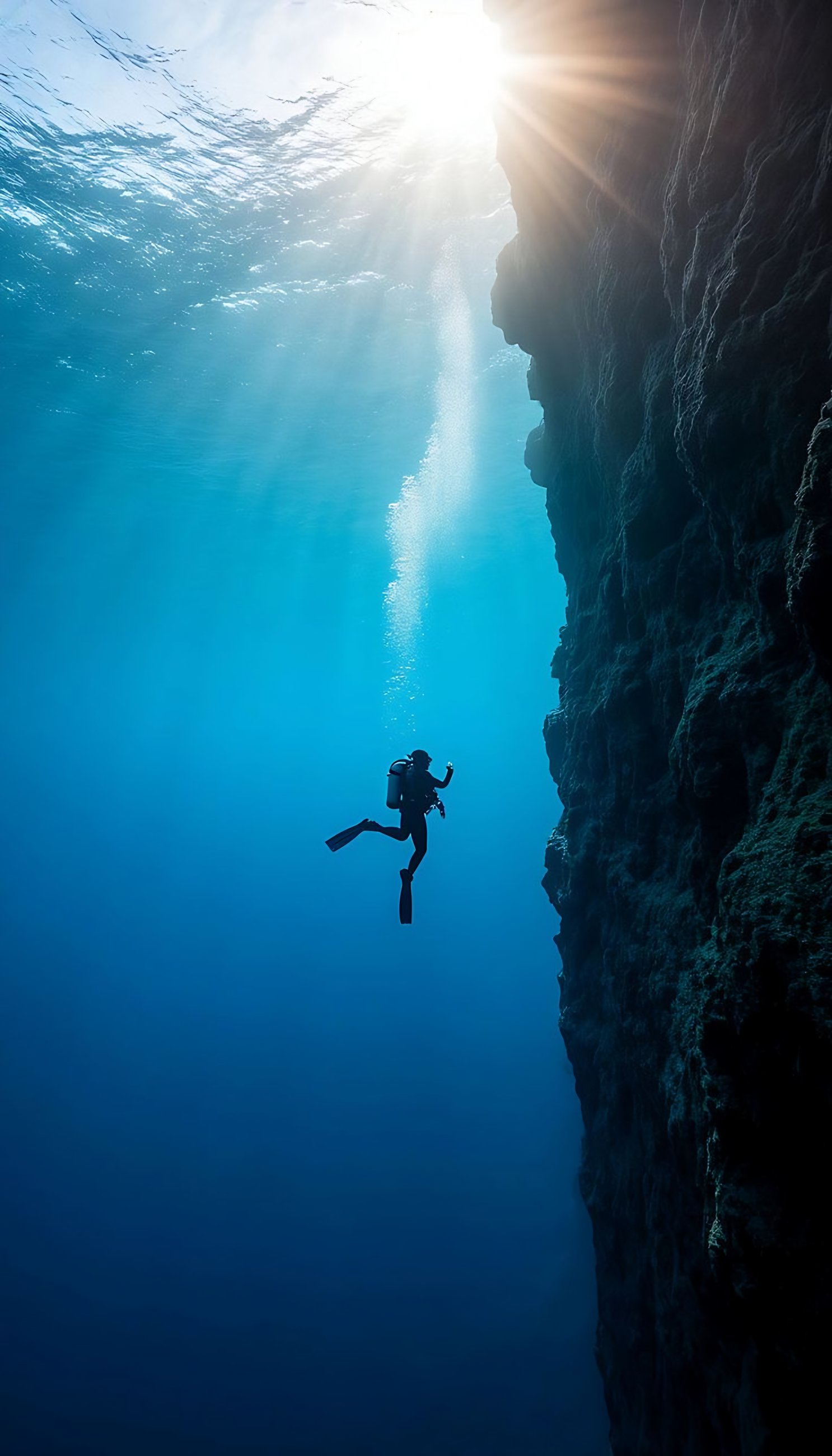
Where the flow squeezes between islands, tides add to it. North of Nusa Penida, peak tidal streams reach about 3.5 knots, faster than any diver can swim, and Komodo's Sape Strait and the Alor Strait behave the same way. Cold upwellings are why Nusa Penida gets mola mola and why southern Komodo and Alor can feel chilly. Read more in our guide to the Indonesian Throughflow.
What dive level do I need for Indonesia?
You can learn to dive in Indonesia, but not everywhere. Newly certified divers are well served at the Gili Islands, Tulamben and Amed in Bali, Bunaken and the sheltered sites of Lembeh. With 20 to 50 dives, Raja Ampat's gentler sites, Wakatobi, Derawan and northern Komodo open up. For Nusa Penida, central and southern Komodo, Alor and Raja Ampat's Dampier Strait channels, most operators expect Advanced Open Water, a few recent dives and real drift-diving experience.
What matters most is not your card but your skills: buoyancy, descending quickly as a group, staying close to the guide in a current, and deploying a surface marker buoy. If any of these feel shaky, do a refresher or a drift-diving course at an easy destination before you head east.
Liveaboard or resort, and how to choose
Start with the month you can travel, then your experience, then what you most want to see. A liveaboard is better for remote regions and many sites in one trip: three or four dives a day, and the only practical way to reach places like Taka Bonerate or the outer Banda Sea. Quality varies enormously, so ask about safety equipment, oxygen and guide-to-diver ratios. A resort is better for short trips, beginners and mixed groups, and in Raja Ampat, family homestays keep more money in the villages.
With one week, stay near a major airport: Bali, Labuan Bajo or Manado. Domestic flights to the east are few and prone to schedule changes, and ferries stop in rough weather, so plan at least one spare day before any international flight home.
Is diving in Indonesia safe?
Yes, with a good operator and a realistic view of your own limits. The main risks are strong and changing currents, being separated from the boat, and decompression sickness far from medical help. Follow the briefing exactly, expect negative entries and reef hooks at some sites, and watch your depth: down-currents can pull divers deeper fast, so abort early if it feels wrong. Always carry a surface marker buoy, and ideally a whistle and a signalling device.
Get dive-specific insurance that covers hyperbaric treatment and evacuation; the Divers Alert Network (DAN) offers it, with DAN Asia-Pacific covering Southeast Asia. Recompression chambers are few and far apart, especially in the east, and reaching one can take many hours. Ask your operator where the nearest working chamber is and whether oxygen is on the boat, and dive conservatively on multi-day trips.
How should divers behave on Indonesian reefs?
Don't touch, stand on or kick the reef, keep your distance from large animals, and pay every marine park fee.
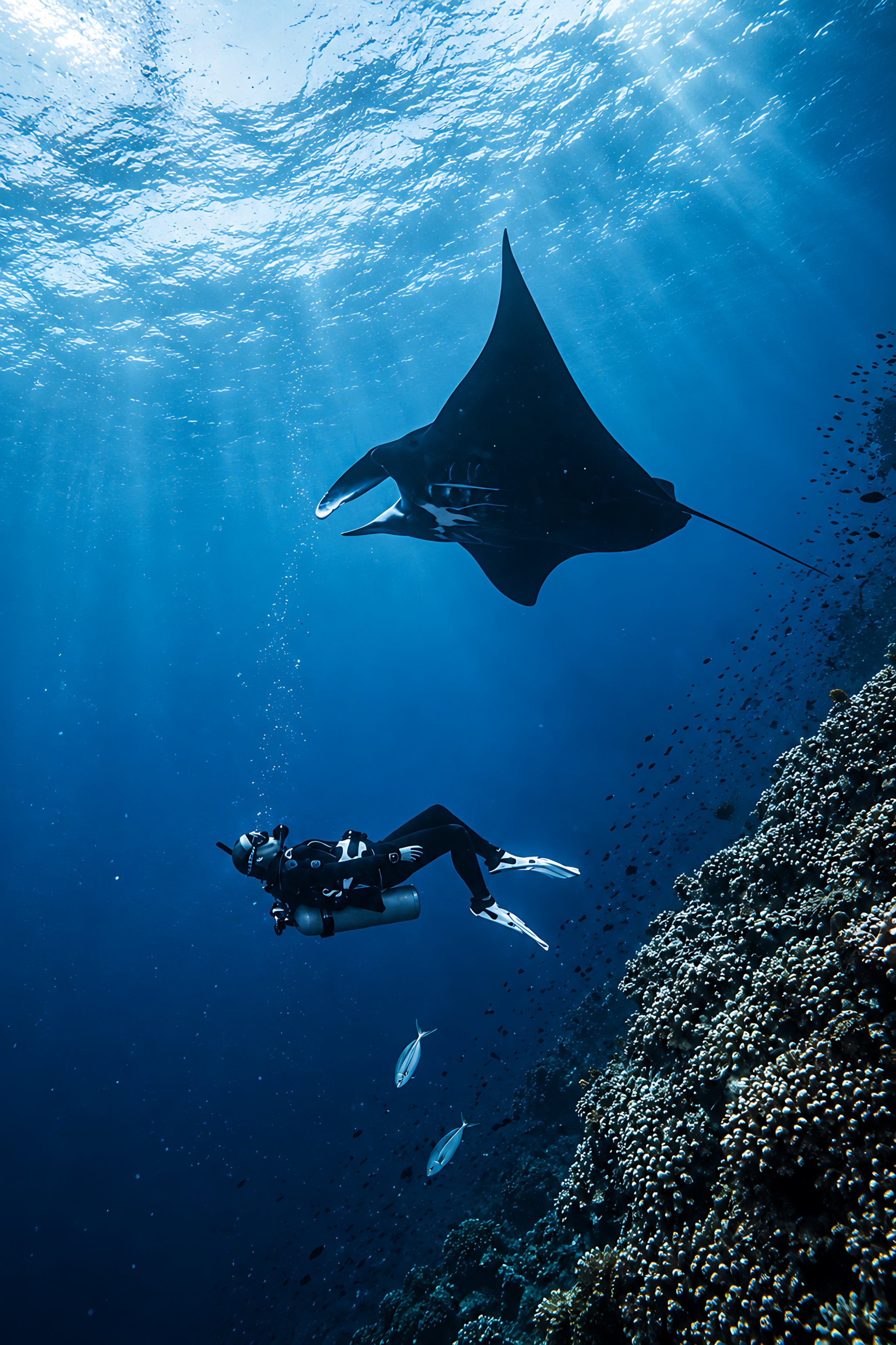
- Give mantas space. Raja Ampat's rules ask divers to stay at least 3 metres away and never chase or touch them.
- No feeding, no collecting, and in Lembeh and Ambon, don't move animals for a better shot.
- Choose mooring users. Good operators use buoys or drift rather than anchoring on reef.
Warming seas are now the biggest long-term threat. Our article on the 2024 coral bleaching event explains what happened to Indonesia's reefs.
Quick answers
How much does diving in Indonesia cost?
Bali and the Gilis are cheapest; Raja Ampat and Alor cost more for flights and logistics. Park fees are extra: Raja Ampat's visitor levy rose in January 2026 to around IDR 1,000,000 per visit for international visitors. See Indonesia's marine protected areas.
How long should I wait to fly after diving?
DAN guidance is at least 12 hours after a single no-decompression dive and at least 18 hours after multiple dives or days of diving.
When can you see mola mola at Nusa Penida?
Most likely from July to October, when cold water wells up around the island. Mantas are there all year.
Do I need to book Komodo diving in advance?
In peak months, yes, because of the daily visitor cap. Raja Ampat liveaboards also fill early.
Our Discover Indonesia guides to Raja Ampat, Komodo and Wakatobi cover each region in more depth. Browse all our guides, or start with the map in where to see the Coral Triangle.
Facts checked October 2026. Seasons shift from year to year and park fees, quotas and rules change often; confirm conditions and current fees with your dive operator and the park authority before booking.
- Komodo National Park limits tourist visits to 1,000 per day (Antara)
- Raja Ampat raises tourism fees to support conservation and communities (TTG Asia)
- Tourism brochure and map of MPAs in Raja Ampat (Bird's Head Seascape)
- Taka Bonerate National Park (Indonesia Travel, Ministry of Tourism)
- Wakatobi National Park (ASEAN Centre for Biodiversity)
- Management plan and zonation of Cendrawasih Bay National Park (WWF Indonesia)
- Nusa Penida (Wikivoyage)
- USAT Liberty (Wikipedia)
- Divers Alert Network (Wikipedia)
- Wakatobi National Park (Wikipedia)
- Derawan Islands (Wikipedia)
- INSTANT programme, Gordon et al. 2010 (throughflow transport)
- Base map licensed; dive sites, airports and harbours added by Discover Indonesia